In music production, the concept of the noise floor is fundamental. It refers to the level of background noise in a recording—the hum, hiss, or interference that sits underneath the music. When the noise floor is high, clarity suffers. The vocal may still be heard and the instruments still present, but the nuance, dynamics, and emotional detail begin to disappear. Everything blends together.
Great engineers don’t solve this by making the music louder. They solve it by removing what doesn’t need to be there. By lowering the noise floor, they create space for the music to breathe, allowing the details and emotion to come forward in a way that feels clear and intentional.
There’s a direct parallel to what’s happening in the event world today.
Modern events are operating in an environment of constant distraction. Attendees are navigating a steady stream of notifications, screens, side conversations, and dense programming. Even in well-produced rooms, attention is fragmented. The challenge isn’t simply that events are noisy — it’s that they’re often cluttered.
The common response is to try to compete with that environment by adding more. More production. More content. More stimulation. But when everything is designed to capture attention at the same time, the overall effect can be the opposite. The noise floor rises, and the moments that were meant to stand out begin to blur together.
What’s often missing is not volume, but clarity.
Some of the most effective event experiences today are not the ones that try to cut through the noise by getting bigger or louder. They’re the ones that reduce distractions in the room and create space for people to focus. In other words, they lower the noise floor.
So what does that actually look like in practice?
At Songwriter City, this is exactly what we design for.
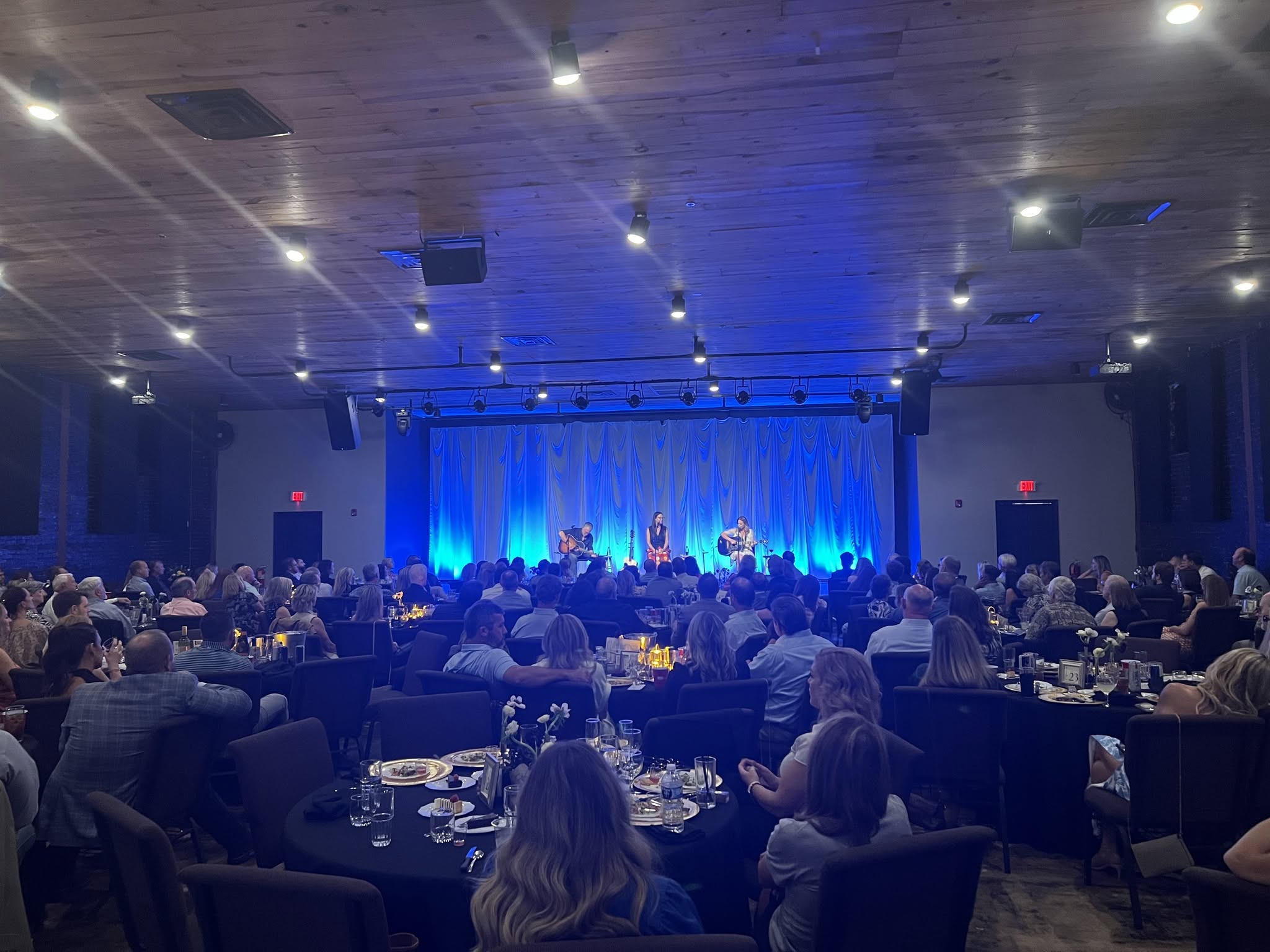
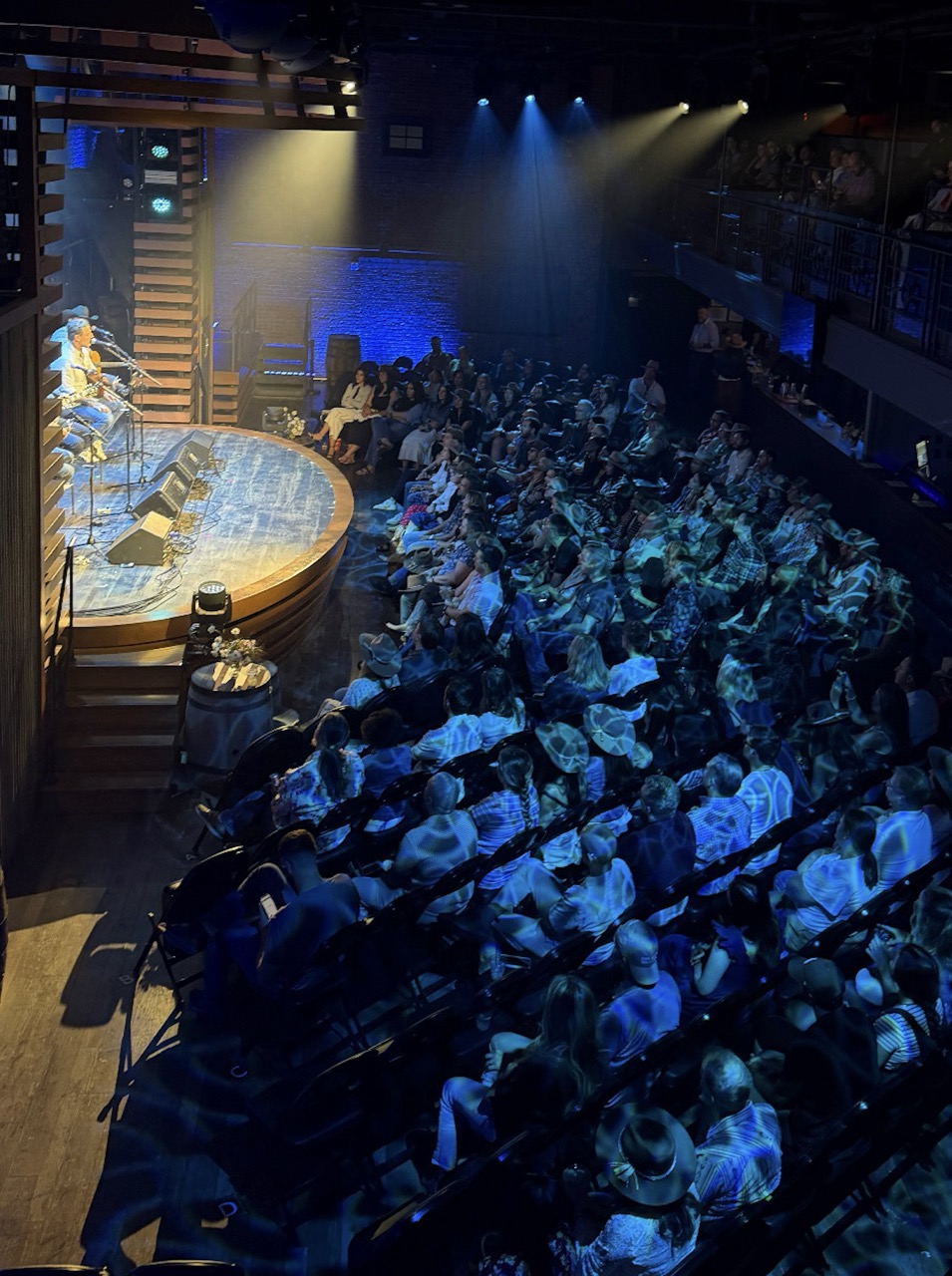
We build music-and-story-driven experiences around Nashville’s tradition of songwriter rounds, specifically to lower the noise floor in the room. A small group of world-class songwriters. A seated audience. A defined window of time where the room shifts from activity to attention. No competing distractions. No divided focus.
The authentic format is intentionally simple, but the impact is not.
When the clutter is removed, something changes. Conversations stop. Phones go away. People lean in. The audience is no longer multitasking, but they’re present. The stories are heard, the songs connect, and the room experiences something together rather than individually.
That shift is what lowers the noise floor.
This isn’t about eliminating production or scale. It’s about being intentional with what is added to the environment, and just as importantly, what is taken away. Every additional layer—visual, auditory, or informational—either supports the moment or competes with it.
In music, lowering the noise floor allows the song to come through with clarity and impact. In events, it allows the moment to resonate.
And in a landscape where attention is increasingly difficult to hold, that clarity isn’t just a creative choice....it’s a strategic one.
If you’re thinking about how to create that kind of focused, connected moment at your next event, that’s exactly what we design with our clients every day.