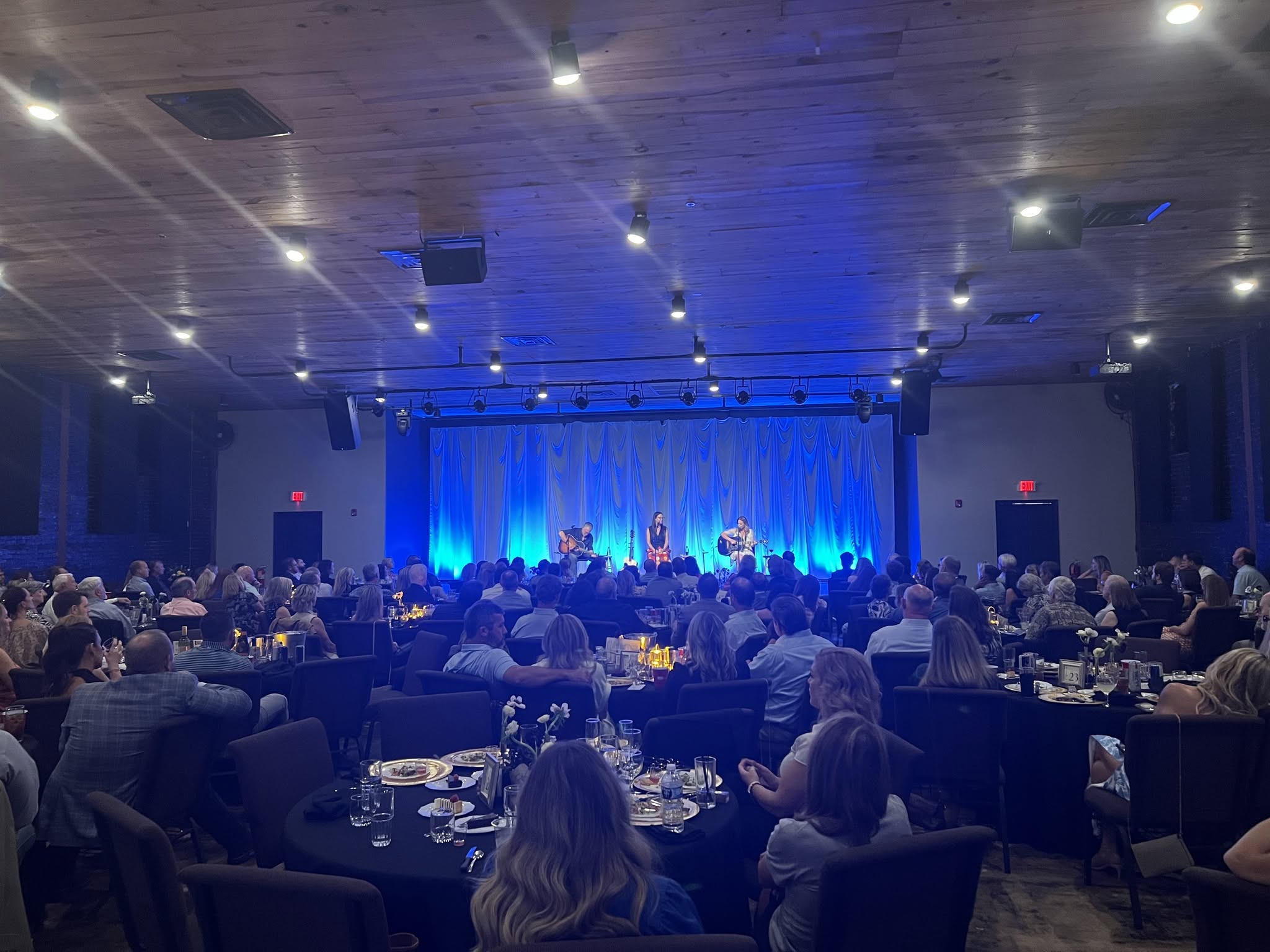
One of the challenges event planners face is designing experiences for audiences that span multiple generations with all sharing a room, but bringing different cultural references, expectations and preferences.
As the events industry gathers for IMEX America under its “Design Matters” theme, it’s a useful question: How do we design a shared experience that resonates with people across generations?
Music offers a powerful starting point. A room may include guests who grew up with different artists and genres, yet share connections to hit songs that have reached across decades.
Hearing those songs performed by the people who wrote them adds something special: recognition, discovery and a personal look inside music guests have heard on the radio, streamed, sung along with or connected to at meaningful moments in their lives.
The opportunity is to thoughtfully bring those elements together in one shared experience.
Different Generations. Shared Experience.
Generational differences deserve consideration when designing an event. An audience spanning Boomers, Gen X, Millennials and Gen Z brings a wide range of experiences into the room.
But focusing too heavily on those differences can lead to another problem: trying to anticipate every preference through age alone.
The better question may be: What can bring these people together?
In a Songwriter City experience, that connection often begins with a hit song recorded by one of music’s biggest artists and the realization that the person on stage helped write it.
There’s an immediate sense of recognition and curiosity. Guests know the recording. Now they get to hear the song from its creator and learn how it came to life.
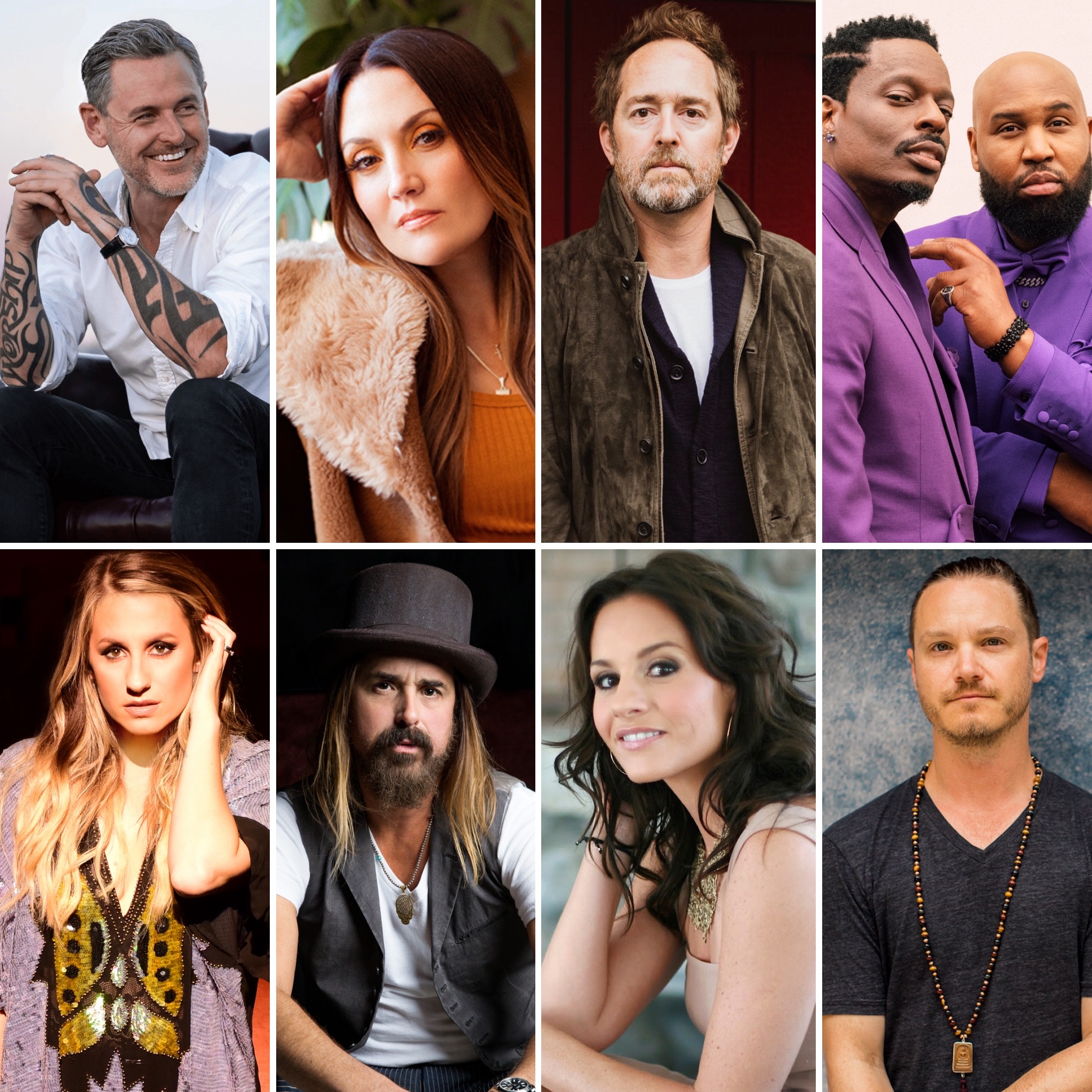
A thoughtfully curated lineup can draw from songs recorded by artists across genres and generations. The range of hits creates familiar entry points throughout the room, while the songwriters’ stories, personalities and perspectives deepen the connection.
Curation Creates the Range
Guests don’t have to connect with an experience for the same reason.
One songwriter might have a catalog of hits reaching back decades. Another may be behind some of today’s biggest songs. Together, they can bring a range of music recorded by major country and pop artists, along with different personalities and approaches to storytelling.
Someone may hear a song that takes them back to college. Another recognizes a current favorite. A guest who came for the music may find themselves drawn into a story about collaboration, rejection or persistence. And a song one person knows by heart may become someone else’s discovery.
Everyone remains part of the same experience, with different points of connection unfolding throughout the room.
That’s where curation matters. We consider the hit catalog alongside personalities, storytelling styles, backgrounds and perspectives. We also consider the audience, organizational culture and purpose of the gathering.
The goal is to create a combination that gives the room musical range and a shared human connection.
Familiar Songs. A New Perspective.
Some of the strongest moments happen when guests learn something unexpected about a song they already know.
Where did the idea come from? What almost went wrong? Who was in the writing room? How did the song reach the artist who recorded it? Suddenly, a familiar hit has another layer.
Then guests hear it performed by someone who was there from the beginning.
For those who know the song, that can change how they hear it. For those discovering it, the story provides a personal connection. Both groups get access to something they couldn’t hear in the recording alone or any typical concert or show.
The Environment Matters, Too
Design also includes the conditions that allow the experience to connect.
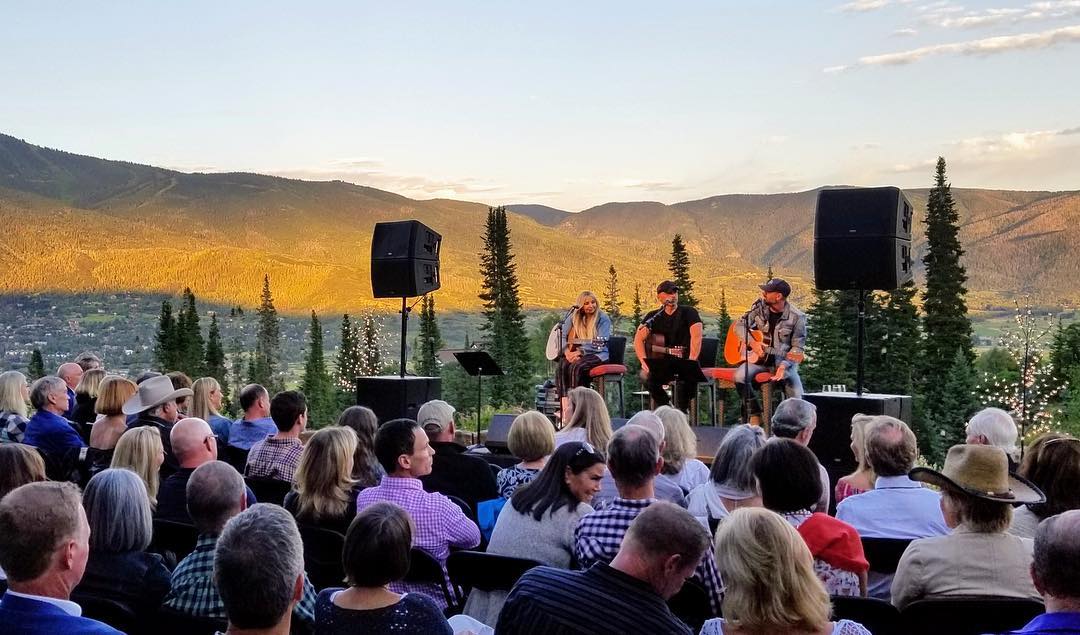
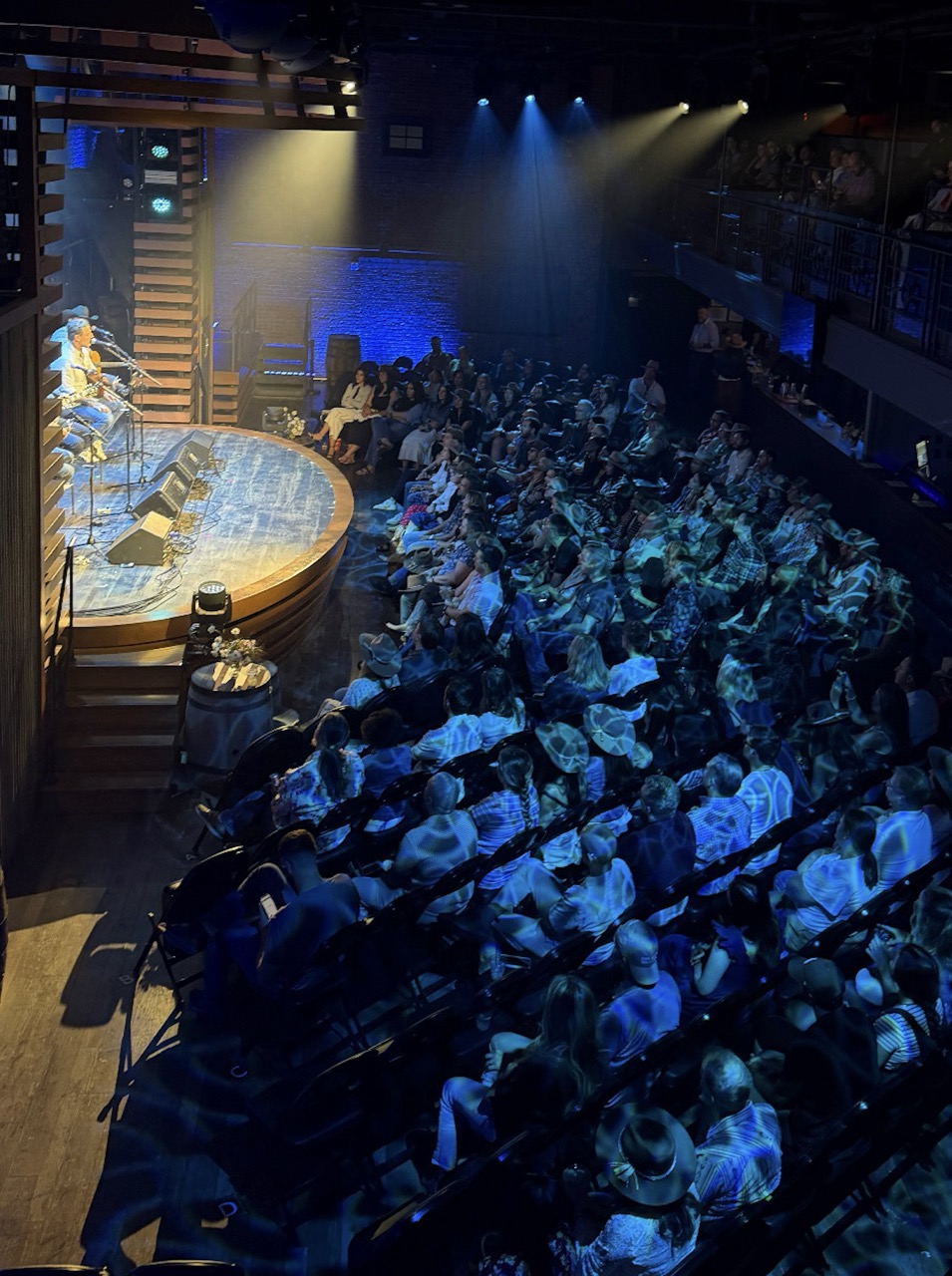
A seated listening environment gives hit songs and their stories the attention they deserve. Seating, sound, sightlines and a clear introduction help guests settle into the moment.
A story has room to develop. Humor travels through the room. Recognition builds as a songwriter begins a familiar song.
These choices shape the audience’s experience as much as the people on stage. They create space for guests to listen and respond together, That shared response can become part of what guests will always remember about the gathering.
Design for the People in the Room
Generational information can help planners understand their audiences. It becomes more useful when considered alongside organizational culture, the relationships among guests and the purpose of the event.
A multigenerational audience doesn’t always need a separate experience for each age group. Often, it needs a thoughtfully designed shared experience with multiple points of connection.
That begins with understanding who’s in the room and what the gathering is meant to accomplish. The right combination of accomplished songwriters, recognizable hits, personal stories and setting gives guests something they connect with individually—and something they share with everyone else.
Generations may experience a moment differently.
But connection doesn’t belong to any one generation.