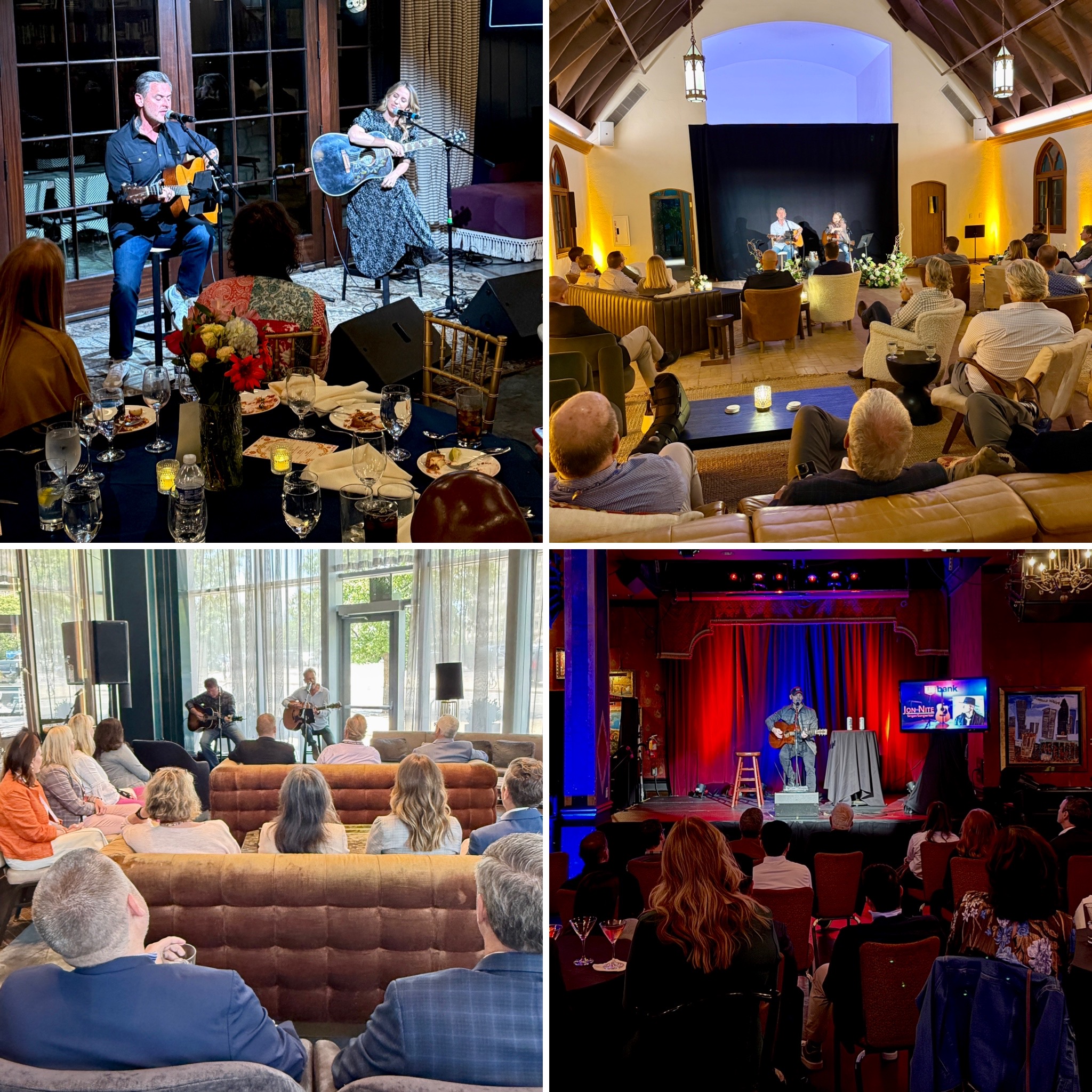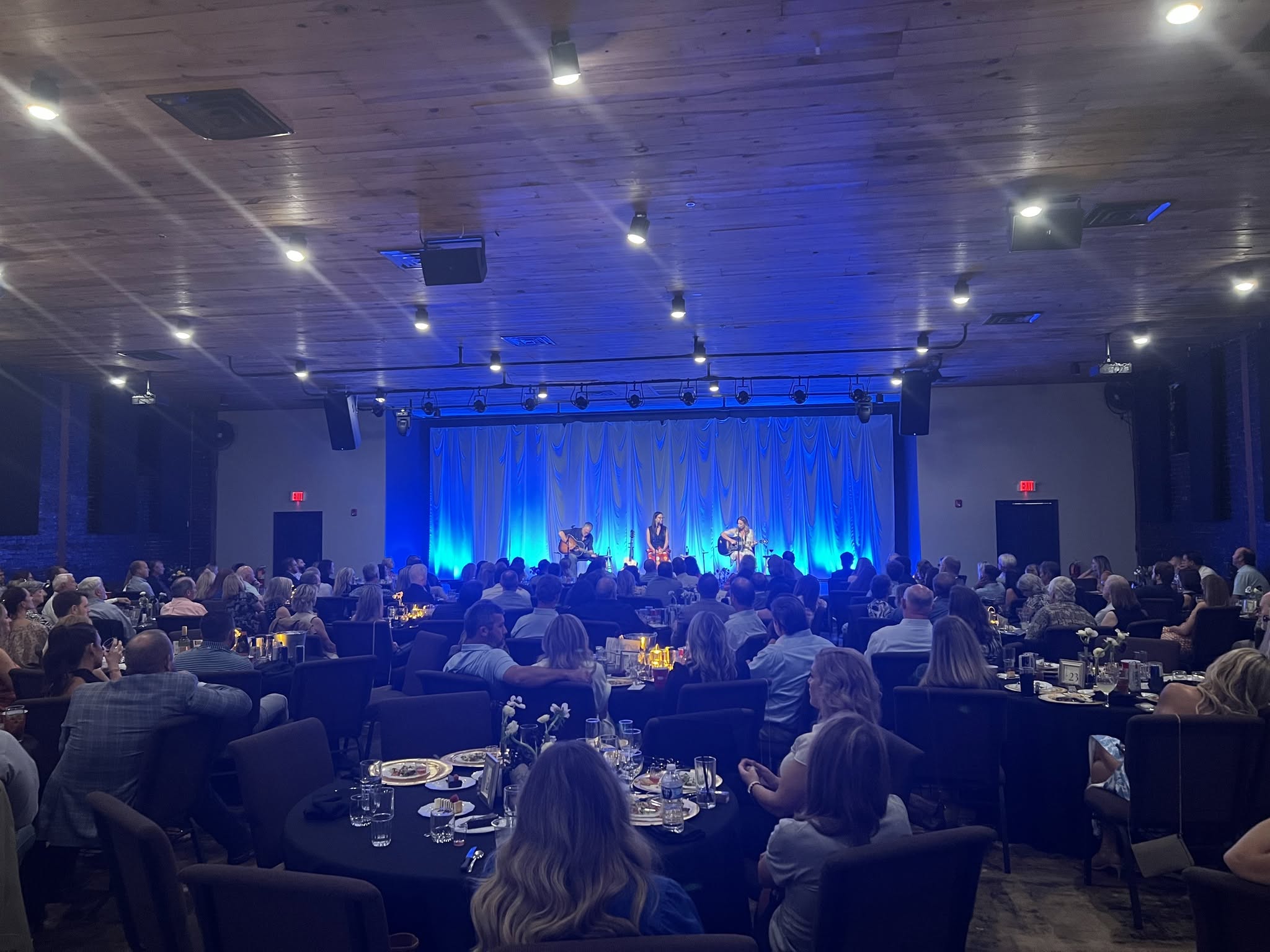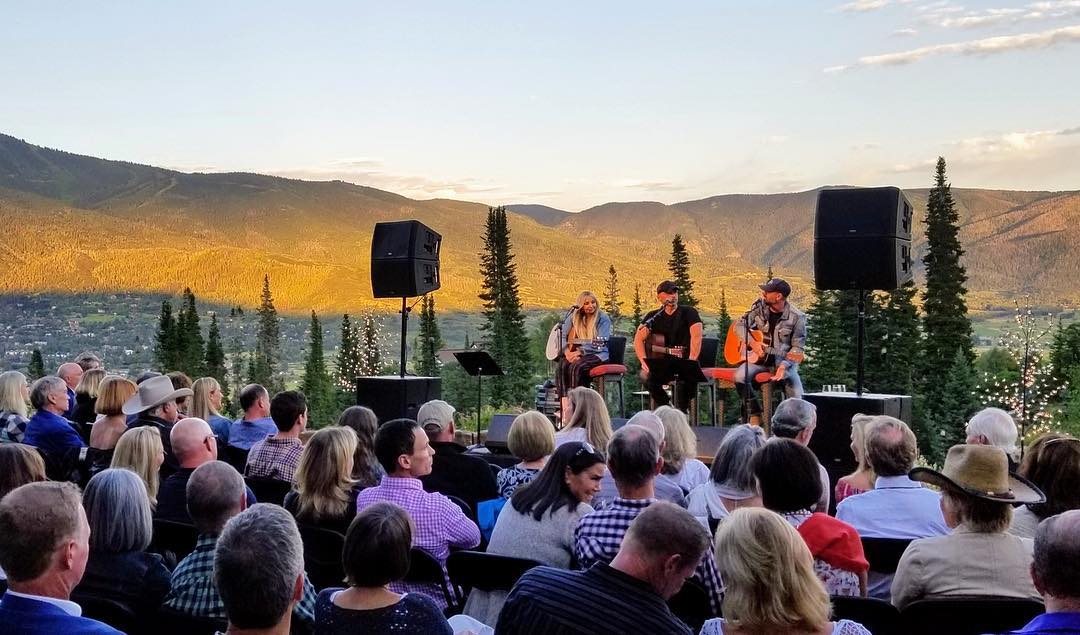
In theater, there's a concept known as the fourth wall. It's the invisible barrier separating the performers on stage from the audience watching.
When an actor looks directly at the audience, acknowledges their presence, or brings them into the story, that barrier is broken. The relationship between the performer and the audience begins to change.
It's a powerful concept, and one that extends well beyond theater.
In the world of meetings, conferences, corporate events, and private gatherings, we spend considerable time thinking about how to engage audiences. We talk about storytelling, authenticity, interaction, and creating memorable experiences.
But perhaps one of the most important questions we can ask is surprisingly simple: Are we creating something for people to watch, or something they can genuinely feel part of?
From Performance to Connection
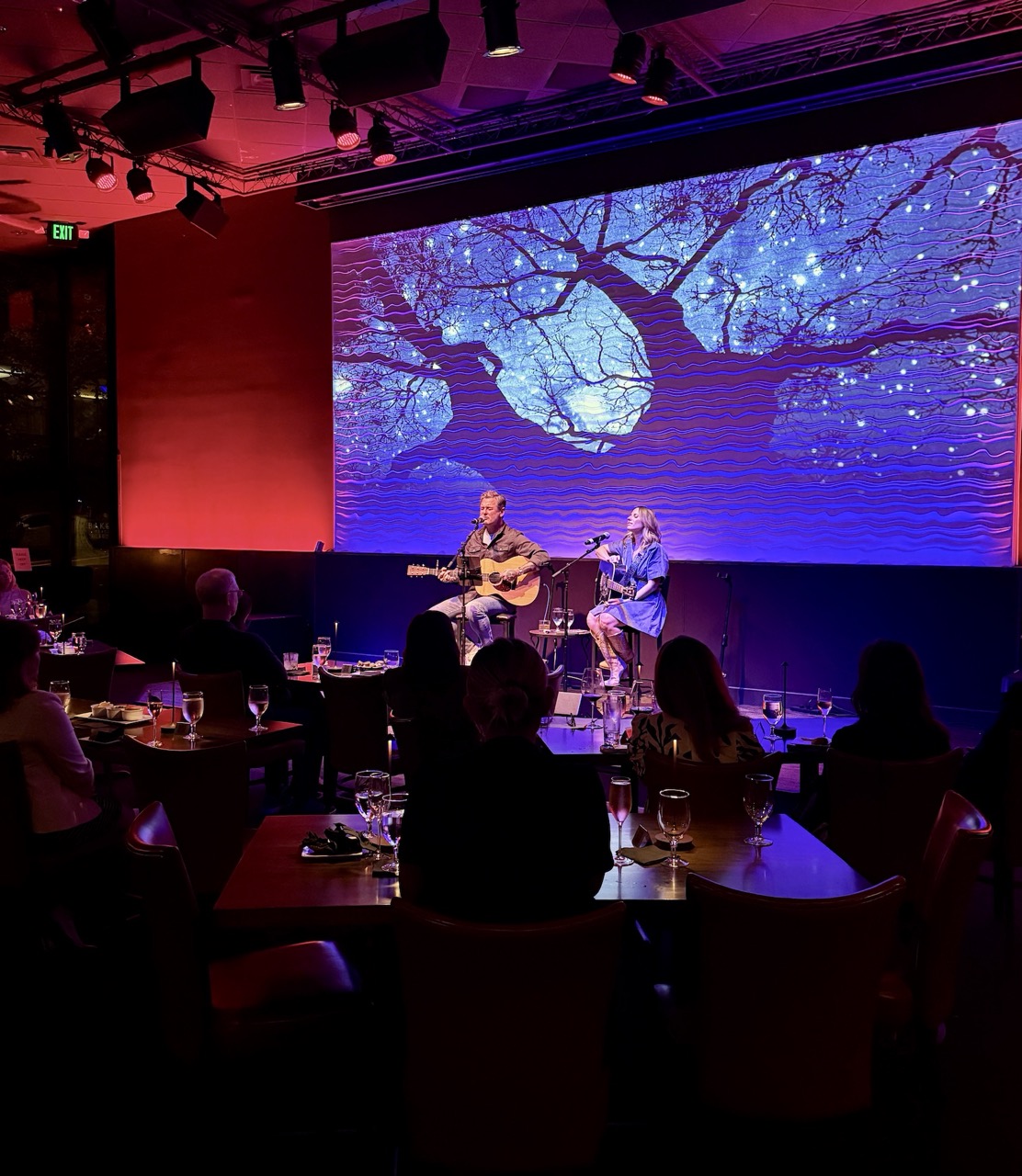
Think about the difference between attending a great concert and sitting in a room with the person who actually wrote the songs.
Both can be extraordinary experiences, but they offer something different. At a concert, the focus is often on the performance itself — the production, the energy, the music, and the artist on stage.
Now imagine sitting in a room with a songwriter who begins telling the story behind a song you've heard hundreds of times. Maybe it came from a personal loss, a difficult season of life, a conversation with a friend, or an ordinary moment that unexpectedly became something extraordinary.
You hear the story, perhaps share a laugh, and then the songwriter picks up a guitar and plays the song.
Suddenly, you're hearing it differently.
The song hasn't changed. But your relationship with it has.
And something else has changed, too. The songwriter is no longer simply a performer on stage. They're a person sharing a piece of their life with the people in the room.
That invisible barrier begins to disappear.
The Power of Unscripted Moments
Some of the most memorable moments in an experience are the ones nobody planned. A songwriter shares something unexpectedly personal. A question from the audience leads to a remarkable story. A spontaneous exchange brings laughter to the entire room.
These moments aren't necessarily dramatic. Sometimes they're surprisingly simple, but they're genuine. And that authenticity changes the dynamic. The audience isn't just listening to someone perform. They're getting to know the person behind the music.
Over the past ten years at Songwriter City, we've watched this happen with audiences of all sizes and backgrounds. People arrive with different interests, experiences, and relationships with music, but stories have a way of finding common ground.
Humor, vulnerability, perseverance, friendship, disappointment, creativity, and joy aren't limited to a particular generation, industry, or musical genre. They're shared human experiences, and when someone speaks openly about them, people connect.
Being Part of Something Doesn't Require Active Participation
In the meetings and events industry, audience engagement is often associated with participation — interactive activities, technology, polling, games, or getting people out of their seats.
Those approaches certainly have their place. But there's an important distinction between asking an audience to participate and creating an experience they genuinely feel part of.
An audience can be completely engaged without saying a word.
You can see it in the attention people give a story, the laughter that moves through the room, the silence that follows something deeply personal, or the moment when someone recognizes a piece of their own life in someone else's experience.
None of those moments requires an activity, a device, or an invitation to participate. They require something more fundamental: a reason to care.
Perhaps some of the most effective audience engagement happens when people aren't consciously aware that they're being engaged at all.
That's a different way of thinking about engagement. One that places less emphasis on what we're asking audiences to do and more emphasis on what we're inviting them to experience.
Creating the Conditions for Connection
Of course, the environment plays an important role in allowing that kind of connection to develop.
It's difficult to establish a meaningful connection when people are standing around networking, conversations are competing with the stage, or the audience's attention is divided.
A seated audience, a room where everyone can see and hear clearly, and an atmosphere that encourages people to settle in and listen aren't simply logistical or production considerations. They're part of intentional experience design.
And intimacy doesn't necessarily require a small room.
We've seen that same sense of connection in small executive gatherings and large conference ballrooms. The number of people in the room isn't always the deciding factor.
What matters is whether the experience has been designed to bring the audience and the people on stage together.
Beyond the Fourth Wall
After ten years of bringing hit songwriters into corporate events, conferences, incentive programs, and private gatherings, one thing continues to stand out.
Often, the most meaningful moments are the ones when someone on stage shares something so genuine that the people listening recognize a little of themselves in the story.
The songwriter becomes more than the person performing the music. The audience becomes more than the people watching. For a moment, they're connected through something shared.
And that's what makes the idea of breaking the fourth wall so relevant to experience design.
It's not simply about getting closer to the audience, encouraging participation, or making a performance feel more interactive. It's about removing the distance that separates the people creating an experience from the people experiencing it.
Because there's a meaningful difference between watching something happen and feeling part of it.
And sometimes, the most powerful experiences are the ones where that invisible barrier barely exists in the first place.